
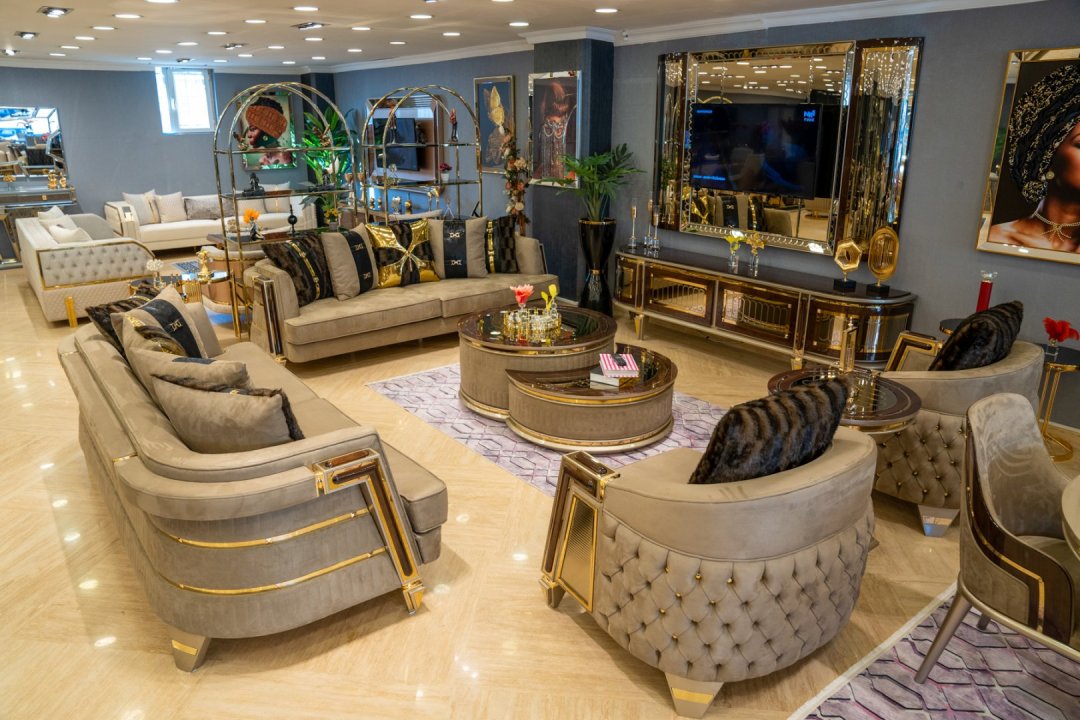
How can sofa, TV unit, and coffee table harmony be achieved? Explore the key points for creating a balanced living room decoration based on room size, color, materials, proportions, and furniture placement.
How Can You Achieve Harmony Between the Sofa, TV Unit, and Coffee Table in Living Room Decoration?
Harmony between the sofa, TV unit, and coffee table is one of the most important elements that creates the main visual balance in living room decoration. These three furniture groups should support one another in terms of size, color, material, form, and placement. For users furnishing a new living room or renovating an existing space, the right approach is not simply to like each piece individually, but to evaluate how all the furniture looks together.
The sofa set is often positioned at the center of the living room, while the TV unit creates one of the main visual focal points. The coffee table forms both a physical and visual connection between these two primary furniture groups. For this reason, incorrect proportions, unrelated materials, or mismatched colors can affect the overall unity of the room.
Why Is Harmony Between the Sofa, TV Unit, and Coffee Table Important?
Large furniture pieces define the character of a living room. Since the sofa, TV unit, and coffee table are constantly seen together within the same space, there should be a clear design relationship between them.
A harmonious arrangement provides the following advantages:
-
Helps the living room appear more cohesive.
-
Creates a visual connection between furniture pieces.
-
Strengthens balance in scale and proportion.
-
Makes functional areas more practical.
-
Creates a more organized appearance through repeated colors and materials.
The goal is not to choose every piece from the same collection. Furniture from different collections can also work together when they share a common design language.
Evaluate the Living Room Size First
The first step in creating the right living room furniture layout is determining the actual dimensions of the room.
The width of the sofa set, the dimensions of the wall where the TV unit will be placed, and the area occupied by the coffee table should all be calculated separately.
When measuring the room, the following details should be considered:
-
Wall lengths
-
Door openings
-
Window positions
-
Balcony access
-
TV connection points
-
Columns or wall projections
-
Main circulation areas
Even if all the furniture technically fits into the room, the layout cannot be considered successful if it restricts movement.
The Sofa Set Determines the Main Scale of the Living Room
The sofa set is generally the furniture group that occupies the largest amount of space in the living room. Therefore, its dimensions can be used as a reference when choosing the TV unit and coffee table.
Using a very small TV unit or coffee table next to a large and bulky sofa group may create visual imbalance. Similarly, using an oversized TV unit and a wide coffee table in a compact living room may make the room feel overcrowded.
Important sofa measurements include:
-
Total width
-
Seat depth
-
Armrest width
-
Backrest height
-
Height from the floor
These dimensions define the overall scale of the living room and directly influence the selection of other furniture.
How Should the TV Unit Be Selected According to the Sofa Set?
The TV unit is another important focal point in the living room. Its size should be determined not only according to the television but also according to the width of the wall and the scale of the sofa group.
A very narrow TV unit may look visually weak next to a large sofa set. On the other hand, an oversized TV unit in a small living room may increase the visual weight of the space.
The following criteria can be considered when choosing a TV unit:
-
Wall width
-
Television size
-
Viewing distance from the sofa
-
Overall furniture scale of the room
-
Storage requirements
-
Relationship between wood and metal details and the sofa
The design language of the TV unit should also relate to the sofa.
How Can a Common Design Language Be Created Between the Sofa and TV Unit?
The sofa and TV unit do not need to be the same color. What matters more is creating a common visual language.
This connection can be established through:
-
Similar wood tones
-
A shared metal color
-
Related forms
-
Repeated geometric lines
-
A balance between matte and glossy surfaces
-
Similar color temperatures
For example, using a TV unit with the same walnut tone found in the details of the sofa can create a visual connection between the two pieces.
Likewise, if the sofa group has black metal legs, using slim black metal details on the TV unit can create a similar effect.
Why Does Coffee Table Selection Play a Critical Role?
The coffee table fills the space between the sofa set and the TV unit and visually connects these two furniture groups.
The size, shape, and material of the coffee table significantly affect the overall balance of the room.
A coffee table that is too large may reduce circulation space. A table that is too small may appear insufficient in the center of a large seating arrangement.
When choosing a coffee table, consider:
-
Width of the sofa group
-
Seating area
-
Circulation distances
-
Coffee table height
-
Materials used on the TV unit
-
Overall form language of the room
How Close Should the Coffee Table Be to the Sofa?
The distance between the coffee table and the sofa directly affects ease of use.
A table positioned too close may make sitting down and standing up difficult. If it is too far away, it may become less functional.
For this reason, enough space should be left between the sofa and coffee table for comfortable movement.
There should also be sufficient space between the coffee table and the TV unit. This area may form part of the main circulation route within the living room.
Should You Choose a Round or Rectangular Coffee Table?
The form of the coffee table can be selected according to the design of the sofa set.
A rectangular coffee table may be suitable for:
-
Long sofa groups
-
More linear designs
-
Spacious living rooms
A round or oval coffee table may be suitable for:
-
Sofas with softer lines
-
Small living rooms
-
Spaces where sharp corners are intended to be reduced
The goal is not only visual harmony but also maintaining comfortable movement.
How Should Color Harmony Be Created?
Color harmony in living room decoration does not mean choosing the sofa, TV unit, and coffee table in exactly the same color.
On the contrary, differences in tone can make the living room appear more layered.
For example, a light beige sofa set can be combined with:
-
A dark walnut TV unit
-
A coffee table with walnut and metal details
-
A rug in stone or cream tones
What matters is not that the colors are identical, but that they support one another.
The main color can be established through the sofa, a secondary tone can be used on the TV unit, and the coffee table can act as a transition between the two.
How Should Wood Tones Be Matched?
Wood is one of the most commonly used surfaces in living room furniture.
The same wood tone can be used on the TV unit and coffee table, while wooden details on the sofa legs can also be coordinated with this tone.
Using too many different wood tones in the same room may create visual clutter.
For this reason, one primary wood tone can be selected, while other furniture pieces can use similar or complementary finishes.
Walnut, oak, dark wood, or light natural tones can be selected according to the overall decorative character of the room.
How Should Metal Details Be Used?
Metal details can add strong character to modern and luxury living room designs.
If the sofa legs feature black metal, repeating a similar metal tone on the coffee table or TV unit creates a visual connection.
The same principle applies to bronze or other metallic details.
However, rather than using many different metal colors in the same room, selecting one main metal finish generally creates a more controlled appearance.
Can Matte and Glossy Surfaces Be Used Together?
Yes. Matte and glossy surfaces can be used together in the same living room.
However, the proportions of these surfaces should be carefully balanced.
A sofa with matte fabric, a TV unit with lacquered details, and a simpler coffee table can work well together.
Glossy surfaces generally create a more balanced appearance when used as accents rather than spread across the entire room.
Especially in luxury furniture design, combining matte and glossy finishes can add visual depth.
How Does the Rug Connect These Three Furniture Groups?
A rug creates a visual foundation between the sofa, TV unit, and coffee table.
The width of the sofa group and the size of the coffee table should be considered when choosing the rug.
A rug that is too small may make the seating arrangement appear fragmented. A properly proportioned rug can define the seating area as a single visual unit.
Some of the tones used in the sofa or TV unit can also be repeated in the rug.
This helps create a stronger color connection between the furniture pieces.
How Can Sofa, TV Unit, and Coffee Table Harmony Be Achieved in Small Living Rooms?
In small living rooms, the dimensions of all three furniture groups become especially important.
In these spaces:
-
Avoid excessively deep sofas.
-
Choose a compact TV unit according to the wall width.
-
Use lighter coffee table forms instead of oversized tables.
-
Prefer furniture with slim legs.
-
Use light or medium tones.
-
Keep circulation areas open.
In a small living room, every piece does not need to have a strong visual presence. Choosing one main furniture piece and allowing the others to complement it can create a more balanced result.
How Should Furniture Be Arranged in Large Living Rooms?
Large furniture can be used in spacious living rooms, but the entire area does not need to be filled.
The sofa group can create a central seating zone. The TV unit can define the main wall of this area, while the coffee table can be placed at the center of the seating arrangement.
Placing furniture too far apart in large rooms may make social interaction more difficult.
For this reason, the relationship between furniture pieces should still be preserved even in spacious areas.
How Does TV Viewing Distance Affect Furniture Placement?
Viewing distance is an important consideration when positioning the sofa and TV unit.
Depending on the size of the television, placing the sofa too close or too far away can affect the viewing experience.
Positioning the TV screen directly opposite a window may also cause reflections from daylight.
Therefore, the following should be evaluated together when placing the TV unit:
-
Window direction
-
Daylight
-
Sofa position
-
Screen height
-
Viewing angle
How Should the Focal Point of the Living Room Be Determined?
Every living room can have a main focal point.
In some rooms, this may be the TV unit; in others, it may be a large sofa, artwork, or an architectural feature.
If the TV unit is the main focal point, the sofa orientation can be planned accordingly.
If the sofa has a stronger design character, the TV unit can be kept simpler.
This balance prevents the furniture pieces from competing visually with one another.
How Should Sofa and Coffee Table Heights Relate?
The height of the coffee table should relate to the seat height of the sofa.
A coffee table that is too high may create a visual barrier within the seating area. A table that is too low may become less practical to use.
In general, choosing a coffee table that is close to or slightly lower than the sofa seat height can create a more balanced relationship.
Side tables should also be evaluated in relation to armrest height.
Do the Furniture Pieces Need to Be from the Same Collection?
No. The sofa, TV unit, and coffee table do not have to come from the same collection.
Furniture selected from different collections can still be coordinated through shared details such as:
-
Similar wood tones
-
The same metal color
-
A common color palette
-
Related design lines
-
Repeated surface textures
This approach can also help the living space feel more personal and layered.
How Is Harmony Created in Modern Living Rooms?
For modern living room decoration, simpler and more linear designs may be preferred.
Clean sofa forms, flat TV unit surfaces, and geometric coffee tables can be used together.
The color palette can remain limited while being supported by wood and metal details.
For example, a light stone-colored sofa, walnut TV unit, and coffee table with slim black metal details can create a cohesive modern look.
How Is Harmony Achieved in Luxury Living Rooms?
In luxury living rooms, the use of surfaces and materials may be more pronounced.
Special fabrics can be used on sofas, lacquered or stone-effect finishes on TV units, and metal and glass details on coffee tables.
The important point is not to make every furniture piece highly detailed.
If one piece has a strong design character, keeping the others more balanced helps maintain the overall appearance of the room.
The Most Common Mistakes When Choosing a Sofa, TV Unit, and Coffee Table
Common mistakes in living room decoration include:
-
Choosing each product independently
-
Ignoring living room dimensions
-
Using too many different wood tones
-
Mixing metal colors without control
-
Using an oversized coffee table
-
Choosing a TV unit that is too small or too large for the wall
-
Ignoring viewing distance between the sofa and TV
-
Blocking circulation areas
-
Trying to choose every piece in exactly the same color
-
Selecting the rug independently of furniture dimensions
These mistakes can be reduced significantly by planning the layout and materials in advance.
How Should the Sofa, TV Unit, and Coffee Table Selection Process Proceed?
For a more controlled living room planning process, the following sequence can be used:
-
Take accurate measurements of the living room.
-
Determine the wall where the TV unit will be placed.
-
Plan the dimensions and orientation of the sofa group.
-
Create the main color palette.
-
Determine the wood and metal tones.
-
Select the TV unit according to the scale of the sofa set.
-
Determine the size and shape of the coffee table.
-
Check circulation areas.
-
Define the seating area with a rug and lighting.
-
Evaluate all the furniture pieces together before purchasing.
This approach ensures that the furniture not only fits into the room but also looks balanced when used together.
Quick Summary: How Can Sofa, TV Unit, and Coffee Table Harmony Be Achieved?
To create harmony between the sofa, TV unit, and coffee table, the size of the living room, furniture proportions, color palette, and materials should be evaluated together.
The sofa set establishes the main scale, the TV unit balances this scale on the wall, and the coffee table creates a connection between the two furniture groups.
Repeating similar wood and metal details in a controlled way, using colors that support one another, and keeping circulation areas clear can help create a more cohesive living room.
Evaluate Living Room Furniture Together with Dumanlar Mobilya
When decorating a living room, evaluating the sofa, TV unit, and coffee table as parts of the same living space rather than as separate products generally leads to more cohesive results.
Dumanlar Mobilya’s sofa sets, TV units, coffee tables, and complementary furniture with different design approaches can be considered together according to the dimensions of the living room, daily usage habits, and preferred decorative style.
When creating harmony between the sofa, TV unit, and coffee table, considering color, materials, dimensions, and functional space together can help create a more balanced and practical living room arrangement.
By reviewing product options and different furniture groups, you can evaluate combinations that suit the dimensions and design expectations of your living room.