
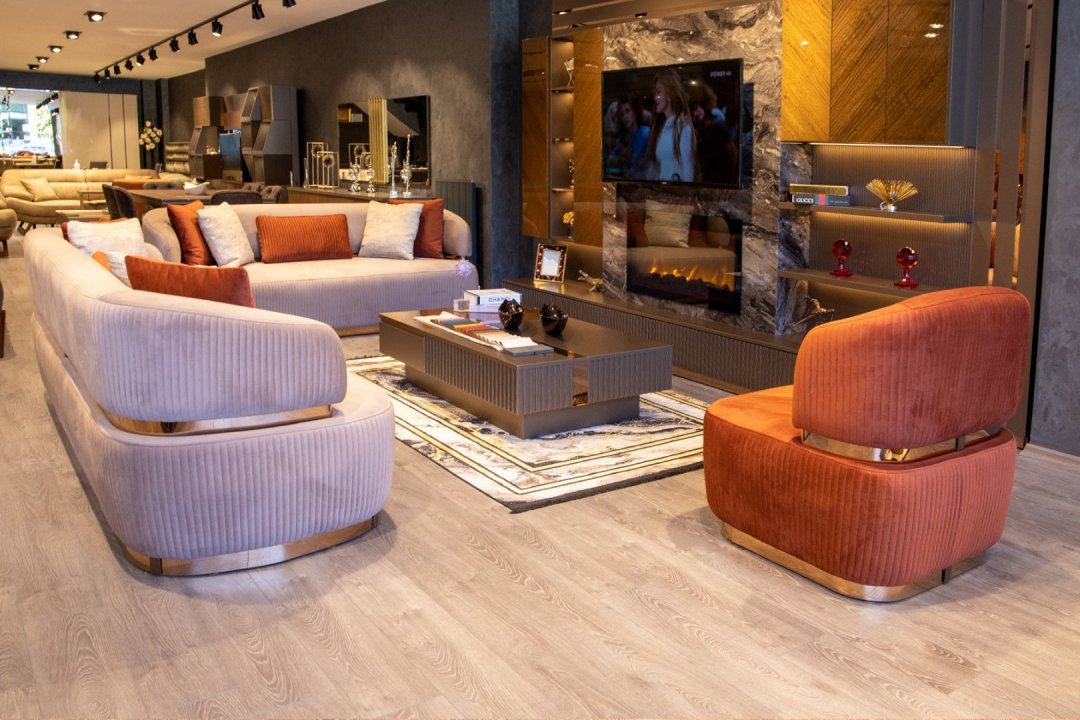
What Furniture Details Define the Style of a Living Room? Explore sofa form, fabric, legs, wood, metal, stitching, surface finishes, and complementary furniture choices.
What Furniture Details Define the Style of a Living Room?
The furniture details that define the style of a living room are not limited to the overall appearance of the sofa, TV unit, or dining table. The form of the furniture, leg design, fabric texture, stitching details, wood tone, metal applications, surface finish, and dimensions all directly influence whether a living room appears modern, luxury, minimalist, or more distinctive. For those who want to create a strong design language in their living space, evaluating furniture details together is more important than selecting each product individually.
Although the overall style of a living room is often perceived through its larger furniture pieces, the details are what truly create the difference. Two sofas in the same color can create completely different decorative styles because of differences in armrest structure, leg design, or fabric texture. For this reason, when choosing living room furniture, attention should be paid not only to the main model but also to the smaller design elements that define the product.
How Does Furniture Form Define the Style of a Living Room?
The form of the furniture is one of the first elements that determines the overall design character of a living room.
Furniture with straight, geometric, and clearly defined lines can create a more modern appearance. Rounded corners, softer backrest structures, and fuller forms can help the room feel warmer and more layered.
For modern living room decoration, simpler and more controlled forms are generally preferred, while luxury furniture may feature stronger silhouettes and more noticeable design transitions.
The sofa, TV unit, console, and coffee table do not need to have exactly the same form. However, having a shared design language between them strengthens the overall unity of the living room.
How Does Sofa Armrest Design Affect Living Room Style?
Armrest design can significantly change the overall character of a sofa.
Slim and straight armrests can create a simpler and more modern appearance. Wide, rounded, or layered armrests can give the furniture a stronger visual presence.
Armrest width also affects the overall volume of the furniture. In smaller living rooms, models with very wide armrests may reduce usable space.
For this reason, armrest design should be evaluated in terms of both style and dimensions.
Why Are Furniture Legs Important?
Furniture leg design is often overlooked, yet it is one of the important details that defines living room style.
Slim metal legs can create a modern and visually lighter appearance. Wooden legs can add a more natural and warmer character. Wider, lower-profile leg designs can make furniture appear more substantial.
Using a similar leg design language across the sofa, coffee table, and dining table can create a visual connection between different furniture pieces.
For example, if the sofa has matte black metal legs, a similar metal detail can be repeated on the coffee table or TV unit.
How Does Fabric Texture Change the Style of a Living Room?
Fabric texture affects both the visual and physical character of furniture.
Matte and naturally textured fabrics can create a simpler appearance. Velvet-like or more pronounced textures can give the furniture a stronger and more distinctive character.
The same color can appear different on different fabrics. A beige sofa may look calmer in a matte fabric, while the same color may become more noticeable on a heavily textured surface.
When choosing fabric, the lighting in the living room, rugs, curtains, and the surfaces of other furniture pieces should also be considered.
How Do Stitching and Tufting Details Affect Furniture?
Stitching details can make the form of furniture more noticeable.
Simple or nearly invisible stitching can support a cleaner design language, while decorative stitching, piping, or tufting can strengthen the character of the furniture.
As the amount of tufting increases, the sofa may take on a more decorative appearance. For this reason, modern living rooms may use more limited stitching details, while luxury furniture can feature more pronounced applications.
However, excessive stitching and surface details can create visual clutter if other furniture pieces also feature intensive design elements.
How Do Wood Tones Define the Character of a Living Room?
Wood is one of the most important materials for defining style in living room furniture.
Light oak and natural wood tones can create a lighter and simpler appearance. Walnut and darker wood tones can create a stronger character.
Wood tones can be repeated on:
-
TV units
-
Dining tables
-
Consoles
-
Coffee tables
-
Sofa legs
to create visual continuity between different areas of the living room.
Rather than using too many different wood tones in one room, selecting one main tone generally creates a more balanced result.
Which Styles Are Lacquered Surfaces Suitable For?
Lacquered surfaces can be used in different ways in both modern and luxury furniture.
Matte lacquered finishes can create a simpler and more controlled appearance. Glossier finishes reflect light and make furniture more visually noticeable.
The amount of lacquer used on TV units, consoles, or dining room furniture is important.
Using glossy finishes on every piece of furniture can increase visual intensity. Instead, lacquer can be balanced with wood and metal surfaces.
How Do Metal Details Strengthen Living Room Style?
Metal details are particularly effective in strengthening the design character of modern and luxury furniture.
Matte black, anthracite, bronze, or metallic finishes can be used on:
-
Sofa legs
-
Coffee table frames
-
TV units
-
Dining tables
-
Console details
Instead of using many different metal tones without a clear system, selecting one main metal color generally creates a more balanced appearance.
Repeating the same metal finish across different furniture pieces also creates a visual connection between them.
Why Are Furniture Handles and Opening Details Important?
In TV units, consoles, and storage furniture, handle design is a small but effective part of the living room style.
Hidden handles or handleless systems can create a cleaner and more modern appearance.
More noticeable metal handles can give furniture a more decorative character.
When the color and form of the handles coordinate with the furniture legs, metal details, and other surfaces, the design appears more cohesive.
How Do TV Unit Design Details Affect Living Room Style?
The TV unit is one of the most visible furniture pieces in a living room.
Designs with flat doors, simple surfaces, and linear forms can create a modern character.
More layered models combining wood, lacquer, metal, and different surfaces can create a stronger design language.
When choosing a TV unit, consider not only the color but also:
-
Door design
-
Leg structure
-
Surface transitions
-
Storage arrangement
-
Proportion in relation to the wall
How Does Coffee Table Design Change the Overall Look of a Living Room?
Although a coffee table may seem like a relatively small furniture piece, its central position in the living room means that it has a significant influence on style.
Straight and geometric coffee table designs can work well in modern interiors. Oval or rounded forms may coordinate better with sofas that have softer lines.
The use of glass, wood, metal, or stone-effect surfaces changes the character of the coffee table.
A coffee table can also be used to create a material connection between the sofa and TV unit.
How Does a Dining Table Support Living Room Style?
If the living and dining areas share the same space, the dining table becomes an important part of the overall decoration.
The shape of the tabletop, the leg structure, and the materials should coordinate with the general design of the living room.
Tables with slim legs and flat tops can create a more modern appearance.
Stone-effect surfaces, metal legs, or stronger geometric forms can create a more distinctive design character.
The dining table and sofa set do not need to have exactly the same design. Shared wood or metal details can be enough to create harmony.
Why Should Chair Design Not Be Overlooked?
Chair design influences living room style just as much as the dining table.
The chair fabric, backrest form, leg structure, and color selection determine the character of the dining area.
One of the main or secondary colors used on the sofa set can also be repeated on the dining chair fabric.
This repetition creates a visual connection between the living and dining areas.
How Does Furniture Size Affect the Perception of Living Room Style?
Dimensions are also important for furniture details to appear correctly within the space.
When overly bulky furniture is used in a small living room, the space may feel crowded even if the design details are visually strong.
In larger rooms, furniture that is too small may cause the overall decoration to appear weak.
For this reason, during living room furniture selection, width, depth, and height should be proportionate to the room.
Style is created not only through design details but also through the relationship between the furniture and the space around it.
Which Furniture Details Should Be Preferred in Small Living Rooms?
In small living rooms, details that reduce visual weight can be preferred.
For example:
-
Slim legs
-
Simpler armrests
-
Controlled stitching details
-
Light or medium tones
-
A limited number of different materials
-
Compact TV units
-
Visually lightweight coffee tables
can help the room appear more organized.
Rather than using too many strong design details at the same time, defining one or two main focal points generally creates a more balanced result in smaller spaces.
Which Details Can Be Used More Effectively in Large Living Rooms?
Spacious living rooms allow for stronger furniture forms and more varied surface combinations.
Large sofa sets, substantial TV units, prominent coffee tables, and wide dining tables can be used.
However, a large room does not mean that every furniture piece needs to feature intensive detailing.
Choosing one or two pieces with a stronger character while keeping the remaining furniture more balanced creates a more controlled appearance.
Which Furniture Details Define a Modern Living Room Style?
For modern living room decoration, the following details may stand out:
-
Clean and simple lines
-
Geometric forms
-
Matte surfaces
-
Slim metal legs
-
A limited color palette
-
Hidden handles
-
Controlled stitching details
-
A combination of wood and metal
In modern design, it is important for each detail to have a functional connection and for unnecessary visual intensity to be avoided.
Which Details Define a Luxury Living Room Style?
In luxury living rooms, the use of materials and details may be more pronounced.
Common features can include:
-
Strong sofa forms
-
Special textured fabrics
-
Metal details
-
Lacquered surfaces
-
Stone- or marble-effect finishes
-
Layered material combinations
-
Pronounced stitching and tufting
However, balance is still important in luxury design. If every furniture piece has strong details at the same time, the decoration may become visually heavy.
What Should Be Considered When Matching Furniture Details?
Not every furniture piece needs to have exactly the same design for a living room to appear cohesive.
Instead, some of the following details can be repeated:
-
The same wood tone
-
A common metal color
-
Similar leg structures
-
Related forms
-
Coordinated fabric tones
-
Similar surface finishes
These small repetitions can help furniture from different collections work together harmoniously.
How Do Rugs and Curtains Support Furniture Details?
Rugs and curtains are important complementary elements that support the design character of furniture.
In living rooms with highly detailed furniture, simpler textile products can be preferred.
With more minimal furniture, texture or pattern can be introduced through rugs or curtains.
The goal is not for textiles to compete with the furniture, but to support its design.
How Does Lighting Make Furniture Details More Visible?
Lighting directly influences how furniture textures and surfaces are perceived.
Wood grain, metal details, fabric textures, and lacquered surfaces can appear different under different lighting conditions.
For this reason, the difference between showroom lighting and natural light at home should be considered when choosing furniture.
When ceiling lighting, floor lamps, and decorative lighting are used together, the surface character of the furniture can be revealed in a more balanced way.
The Most Common Mistakes When Defining Living Room Style
The following mistakes can weaken the overall consistency of the decoration:
-
Choosing every furniture piece in a different design language
-
Using too many different wood tones
-
Mixing metal details without a clear system
-
Choosing furniture dimensions that are not proportionate to the living room
-
Selecting fabric texture independently from other surfaces
-
Choosing every product with intensive detailing
-
Ignoring leg and handle design
-
Treating rugs and curtains separately from the furniture
-
Ignoring the effect of lighting on surfaces
Defining an overall design language before choosing furniture can help reduce these mistakes.
How Should the Furniture Selection Process Proceed When Creating a Living Room Style?
For a more controlled decoration plan, the following steps can be followed:
-
Determine the dimensions of the living room.
-
Decide on a modern, luxury, or another design direction.
-
Choose the main sofa form.
-
Determine the fabric and stitching details.
-
Select the main wood tone.
-
Choose the metal finish.
-
Select the TV unit and console according to this design language.
-
Repeat shared details on the coffee table and dining table.
-
Complete the decoration with rugs, curtains, and lighting.
-
Evaluate all furniture pieces together before making the final purchase.
This approach helps ensure that the living room is not simply filled with attractive individual products, but instead becomes a living space built around a shared design concept.
Quick Summary: Which Furniture Details Define the Style of a Living Room?
The furniture details that define the style of a living room include form, armrests, leg design, fabric, stitching, wood tones, metal surfaces, lacquer applications, handles, and furniture dimensions.
No single detail determines the entire character of the room. What matters is how these elements are repeated consistently and used in proportion to the size of the living space.
For a modern living room, simpler and more geometric details may be preferred, while luxury design may use materials and surfaces more prominently. In both approaches, dimensions, colors, and daily usage habits should be considered.
Define Your Living Room Design Language with Dumanlar Mobilya
When choosing living room furniture, evaluating design details together rather than making decisions based only on the main model or color can lead to more cohesive results.
Dumanlar Mobilya’s sofa sets, dining room furniture, TV units, coffee tables, and complementary furniture can be evaluated together in terms of fabric, wood, metal, surface, and form characteristics.
When the furniture details that define the style of a living room are matched correctly, stronger visual unity can be created between different furniture groups. Evaluating product details according to the dimensions of the room, how the space is used, and the preferred design approach helps create a more consistent character throughout the living area.
By exploring different furniture collections and surface options, you can create a design language that suits your living room.